How Much Time Do You Really Need for Wedding Photos
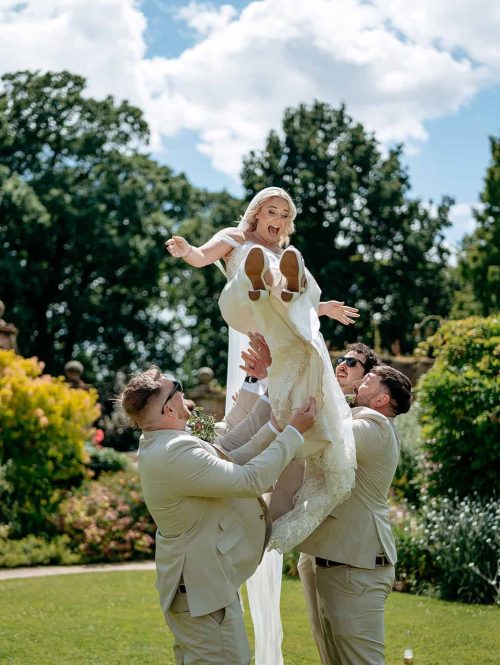
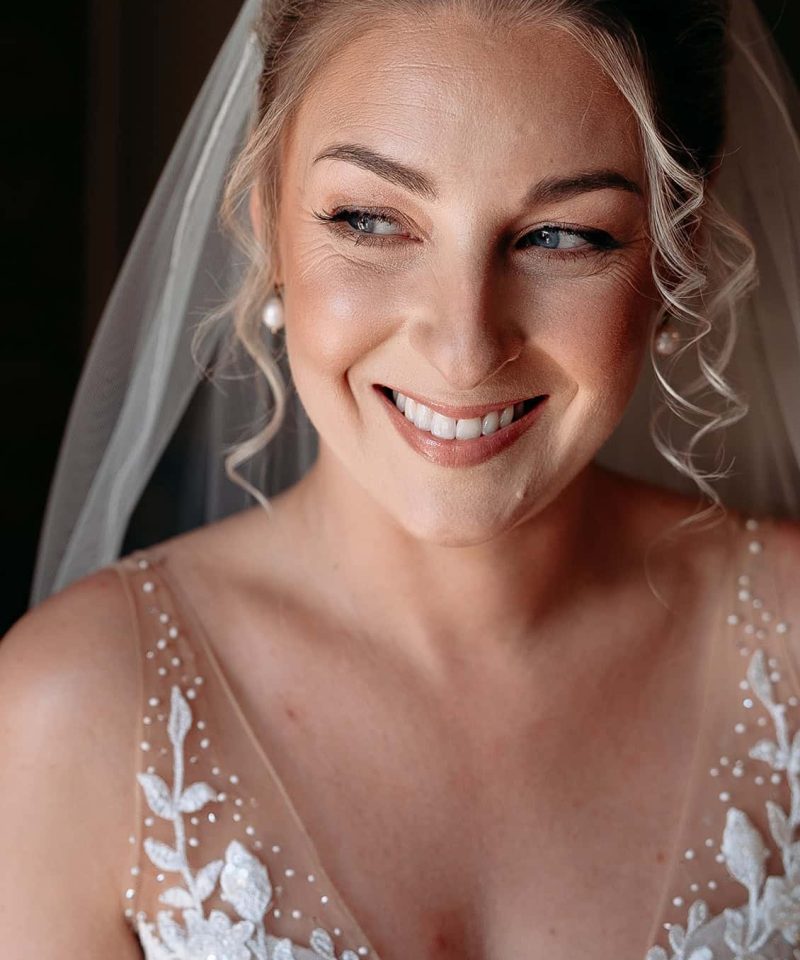
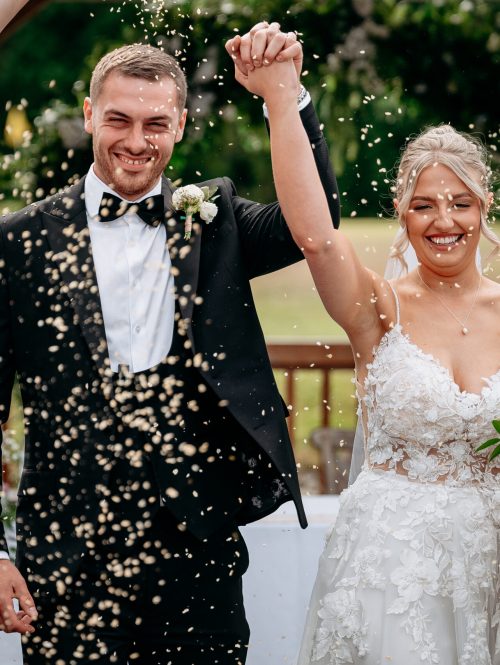
This is one of the most common questions couples ask, and it usually comes with a bit of concern.
“How much time do we actually need for photos, and are we going to spend the whole day away from everyone?”
The honest answer is, you don’t need as much time as you think, because it’s not really about time, it’s about timing.
It’s Not About Time, It’s About Timing
Most people assume better photos come from having more time, but that’s not really how it works.
Light changes throughout the day, the energy shifts, the atmosphere evolves, and knowing when to step in matters far more than how long you spend doing it.
It’s less about blocking out hours, and more about recognising the right moments as they happen.
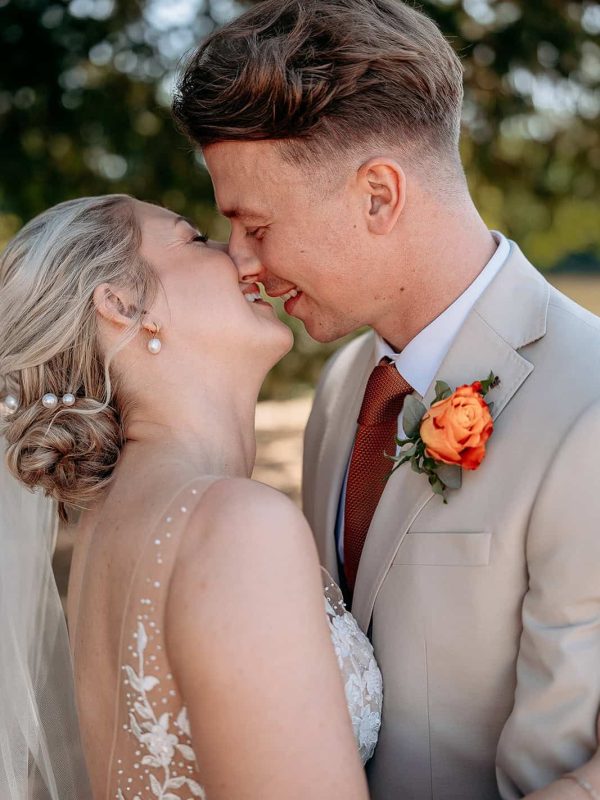
You Don’t Need Hours Away From Your Wedding
There’s often this idea that you’ll be pulled away for long stretches, moving from one photo session to the next, and that your day will feel structured around photography.
In reality, it’s the opposite.
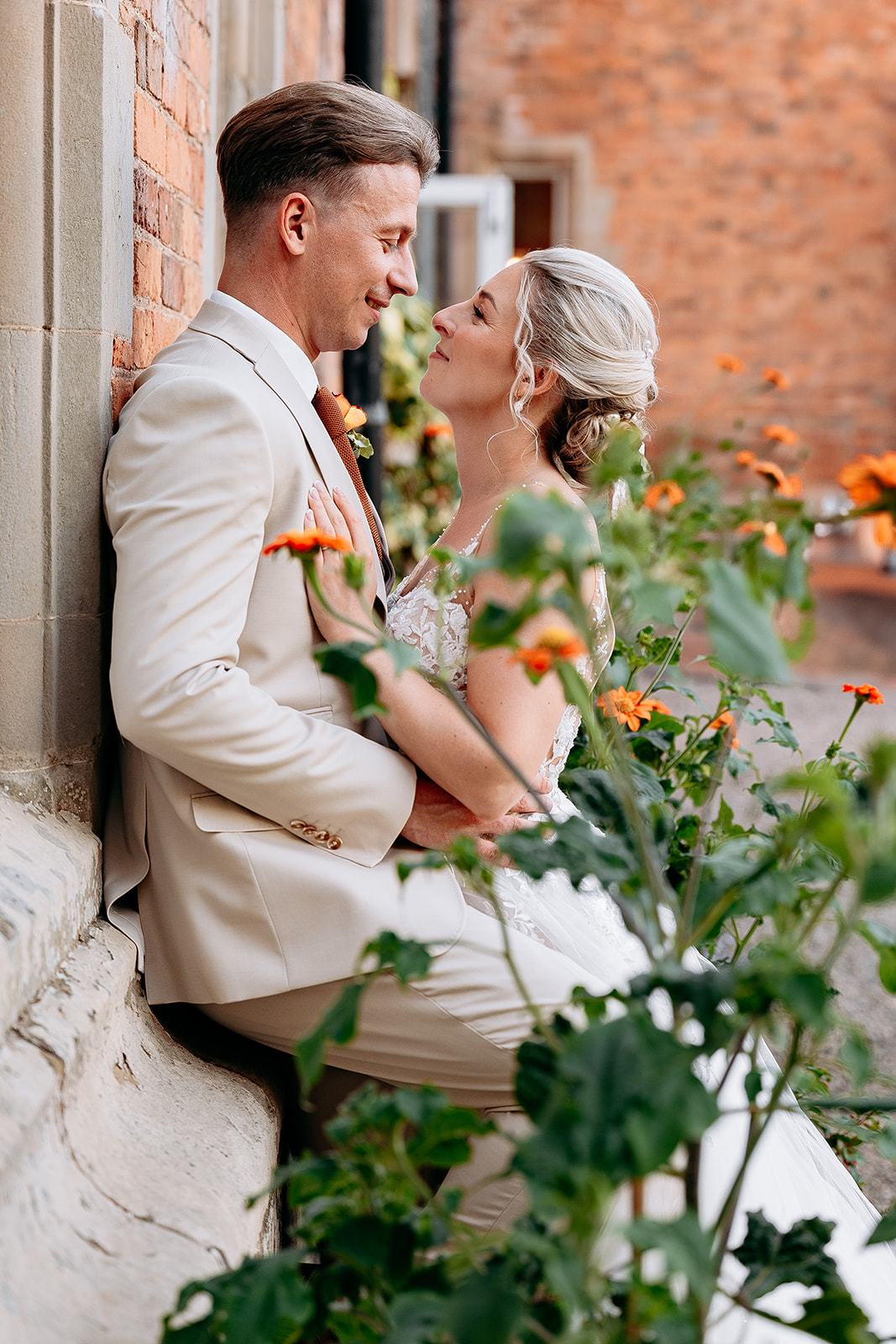
Most couple photos happen in short, natural windows, usually around 10 to 15 minutes at a time, at points where it fits into the day rather than interrupting it.
So you’re still there, still present, still with your guests, nothing feels forced or over-managed.
The Best Time for Photos Isn’t What You Expect
It’s easy to think you just fit photos in wherever there’s space, but the strongest images usually come from being a bit more intentional.
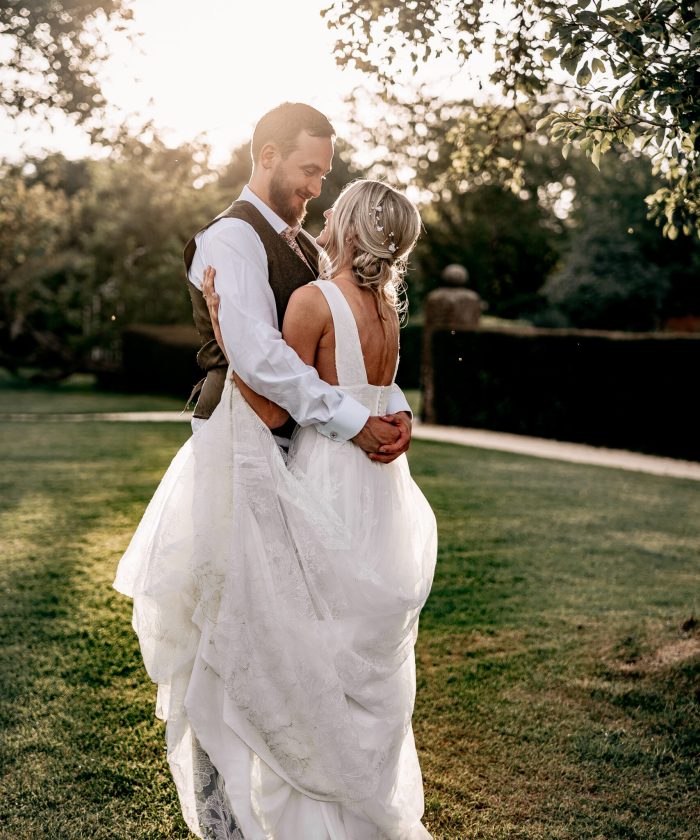
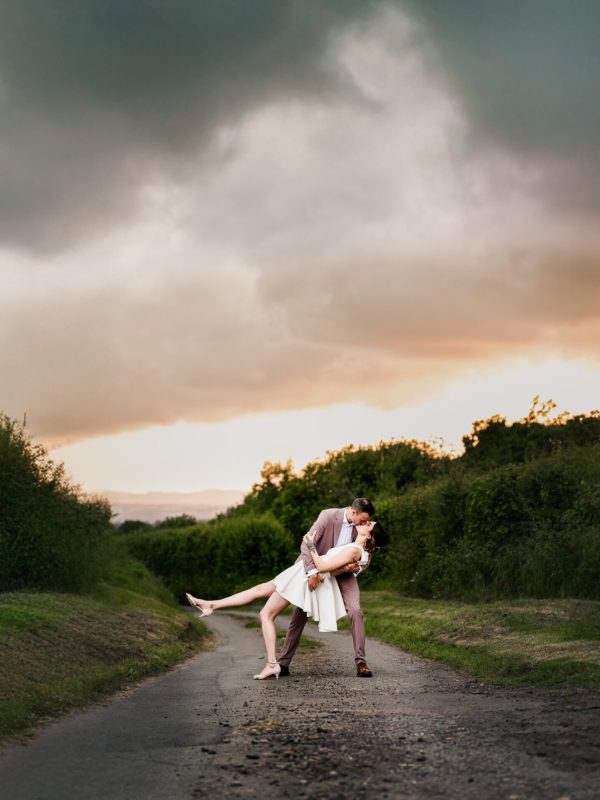
Earlier in the day, everything feels calm, there’s a natural build to it, and later on, when the light softens, everything slows slightly and becomes more atmospheric.
That evening window, even if it’s just 10 minutes, can completely change how your photos feel.
Your Timeline Shapes the Whole Experience
This is where everything either works, or starts to feel rushed.
A well-considered timeline creates space, so you’re not being pulled from one thing to another, not waiting around, not feeling like you’re constantly on the clock.
It allows the day to unfold naturally, which is when the best moments actually happen.
If you’re still planning this part, it’s worth looking at how your timeline supports the experience:
Wedding photography timeline guide
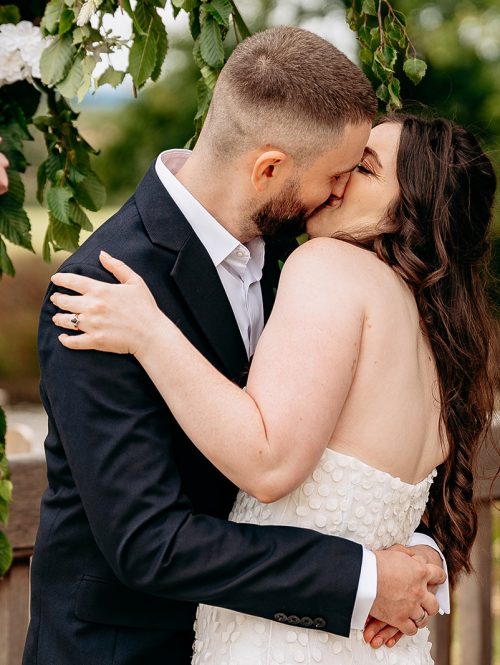
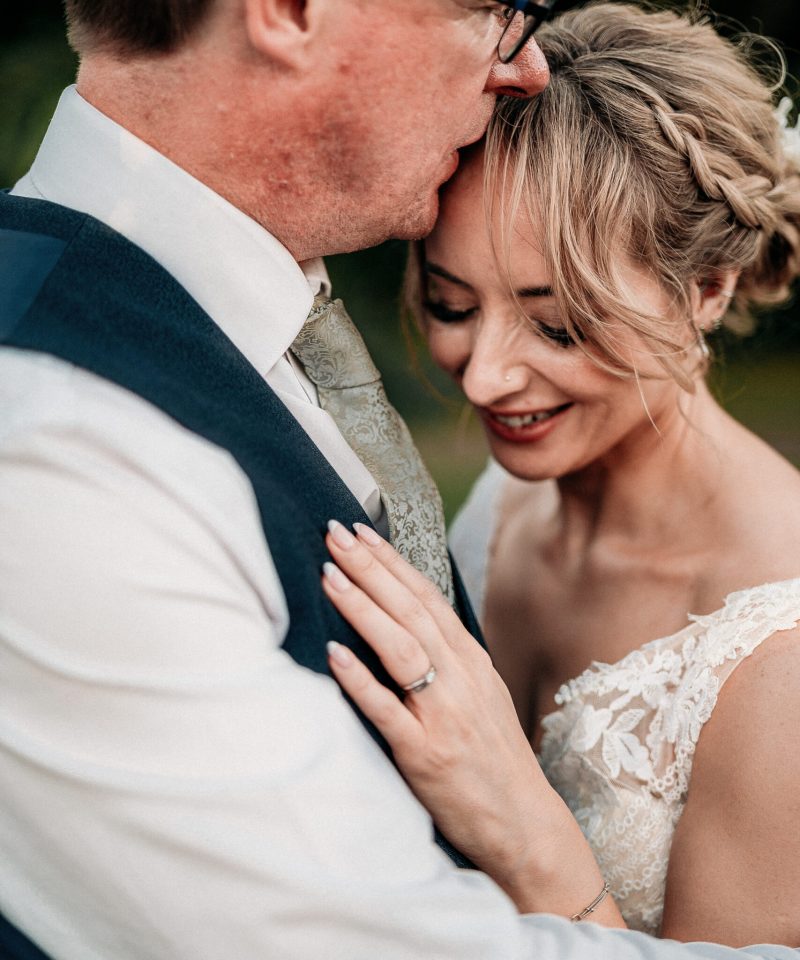
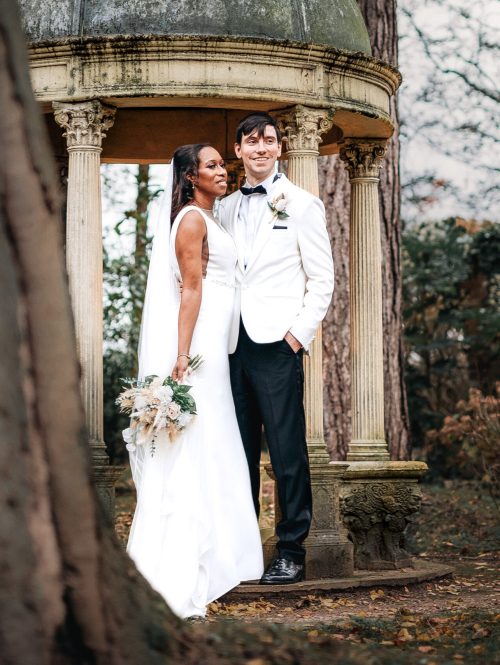
Natural Photos Don’t Need Long Sessions
If your goal is natural, relaxed photos, then long sessions can actually work against you.
The longer you’re aware of the camera, the more it starts to feel like something you have to “do”, rather than something that’s just happening.
Shorter moments, spaced throughout the day, keep everything feeling easy, and that’s where the best images come from.
If you’re thinking about this, it links closely with this:
How to feel natural in wedding photos
The Day Flows Better When Photos Fit Into It
The best weddings aren’t built around photography, photography fits into them.
You’re not stepping away for something separate, you’re just moving through your day, and things are being captured as they happen.
That’s what keeps everything feeling relaxed, and that’s what shows in the final images.
The Experience Always Comes First
This is the part that matters more than anything.
Your photos reflect how your day felt.
If it felt rushed, that shows, if it felt calm and considered, that shows too.
It’s not the amount of time that makes the difference, it’s how that time is used, and how the day is experienced while it’s happening.
If you want to understand that more, this ties into it:
What actually matters in wedding photography
ANSWERED BY A LOCAL PHOTOGRAPHER
How Long For Photos FAQs
Most couples only need short, well-timed periods throughout the day rather than long sessions. The focus should be on timing rather than total hours.
No. Photography should fit naturally into your day rather than taking it over. Most moments are captured as they happen.
Usually around 10 to 20 minutes at a time. Often split into shorter sessions rather than one long block.
Earlier in the day for calm moments and later in the evening for softer, more atmospheric light.
No. Long sessions are rarely needed and can make the experience feel more structured than natural.
Yes. The best photos come from being present, not from stepping away for long periods.
Yes. A relaxed timeline creates better conditions for natural moments and better photographs.
A flexible approach allows things to adjust naturally. The focus remains on capturing the day as it unfolds rather than forcing a strict schedule.
A Final Thought
You don’t need hours for wedding photos, you need the right moments, the right light, and an approach that allows everything to unfold naturally.
When that’s in place, everything feels easier, and your photos reflect that without ever feeling forced.
Planning Your Wedding Photography
If you’re planning your wedding and want a timeline that feels relaxed while still creating natural, refined images, I’d love to hear more about what you’re creating.