The Ultimate Wedding Photography Timeline
When to Schedule Every Moment of Your Day
Your wedding photography timeline plays a huge role in how your day feels and how your photos turn out.
Without a clear structure, the day can feel rushed and important moments can easily be missed. A thoughtful timeline gives your wedding space to unfold naturally while ensuring every meaningful moment is beautifully documented.
After photographing weddings across Shropshire, Staffordshire and the West Midlands for over a decade, I help couples build timelines that keep the day relaxed while still capturing everything that matters.
If you’re still planning your wedding, these guides may also help:
How to Choose the Right Wedding Photographer
How Much Does a Wedding Photographer Cost?
Planning a Wedding in Shropshire
The Ideal Wedding Photography Timeline
Every wedding is unique, but most wedding days follow a similar rhythm. Having a flexible structure helps the day feel relaxed while allowing time for the moments that matter most.
2-3hrs Before Ceremony
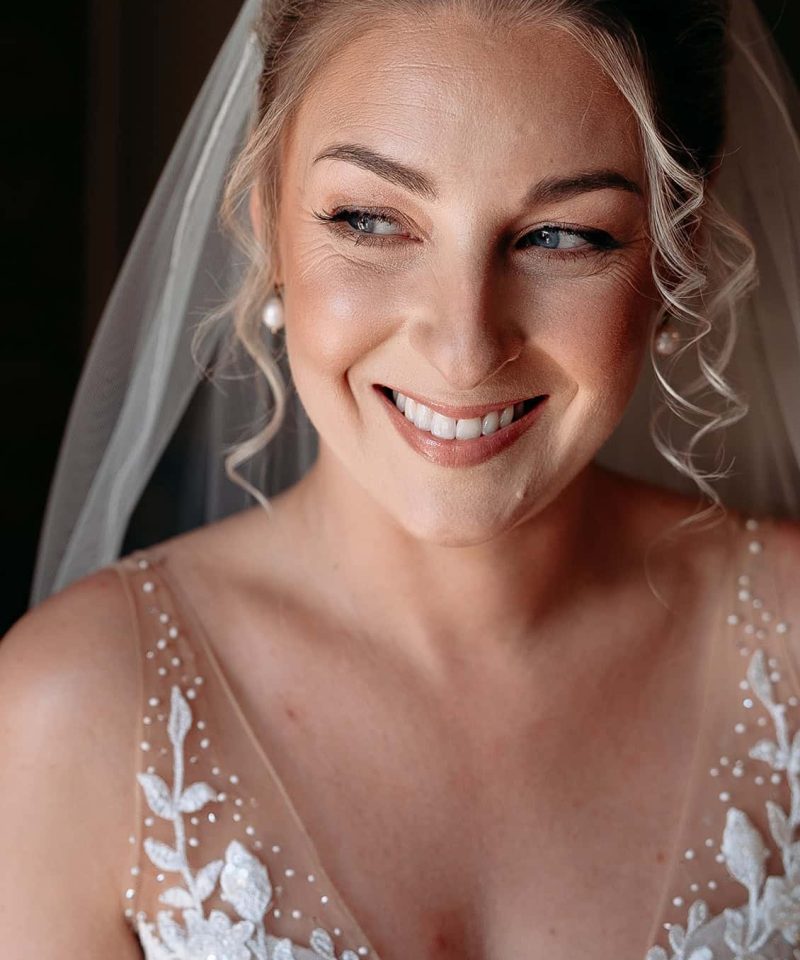
The morning preparations are one of the most emotional parts of the day.
There is excitement, nervous energy, laughter with friends, and those quiet moments when everything starts to feel real.
During this time I focus on documenting the atmosphere naturally.
Typical moments captured include:
Final hair and makeup touches
Detail photographs of the dress, shoes and jewellery
Candid moments with bridesmaids or family
The moment the dress is put on
Emotional reactions during reveals
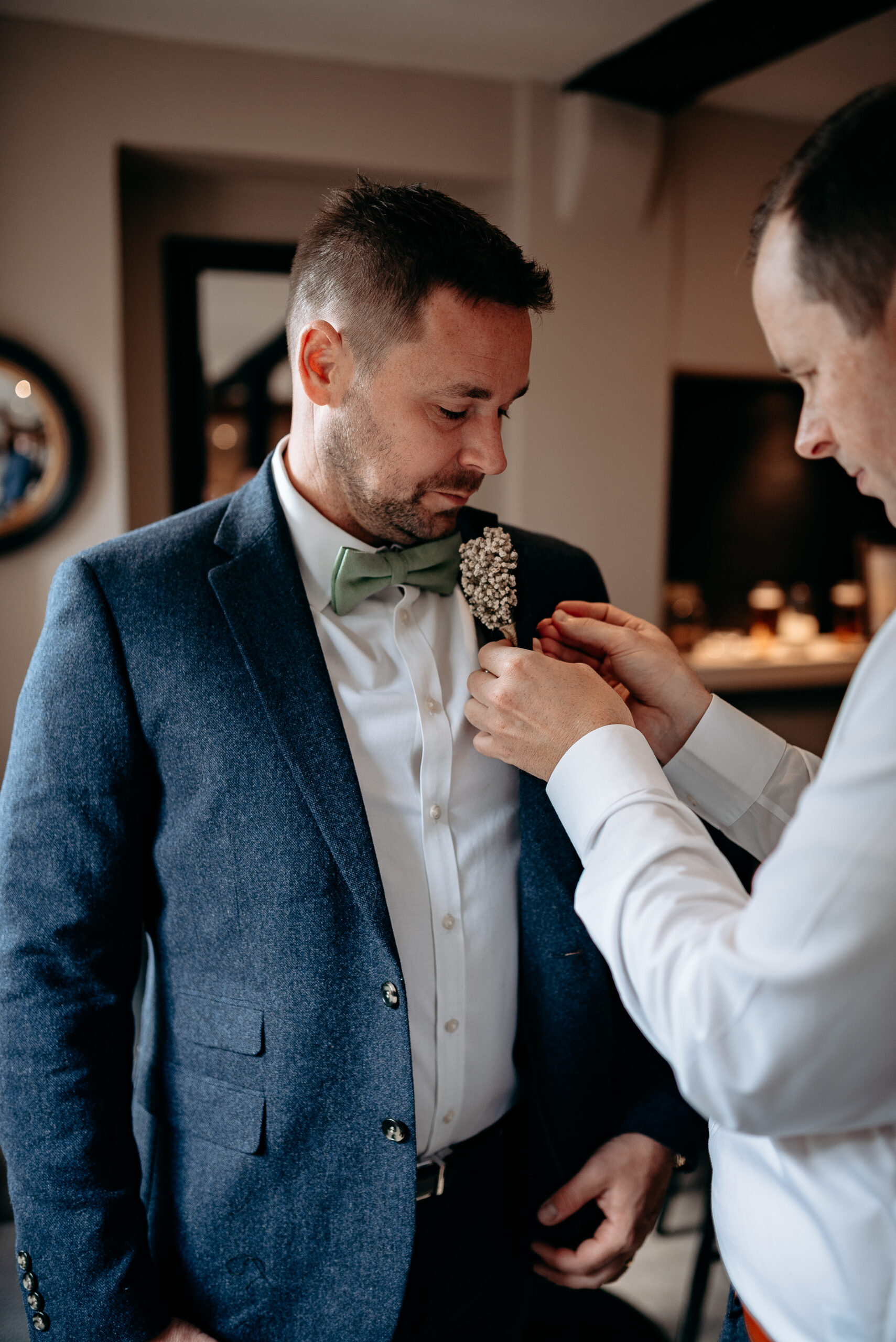
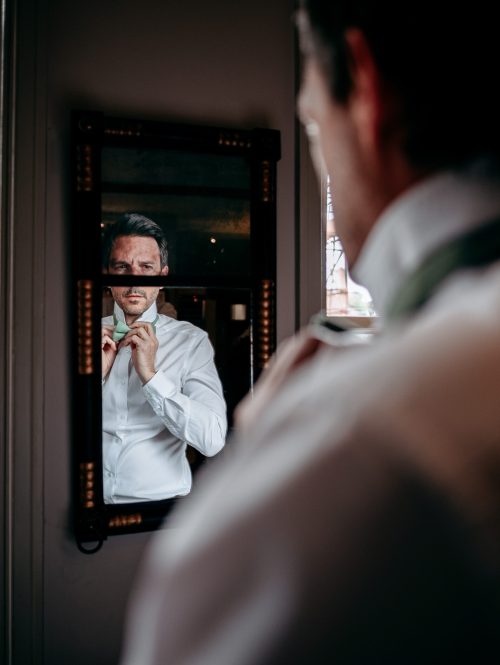
For grooms and groomsmen, preparation usually takes around 30–45 minutes, and often includes:
Getting dressed together
Adjusting ties and buttonholes
Relaxed moments with the wedding party
Groom portraits before leaving for the ceremony
These early moments set the tone for the entire story of the day.
30 Minutes Before the Ceremony
Pre Ceremony Atmosphere
As guests begin arriving, the atmosphere changes quickly.
Excitement builds and small moments begin happening everywhere.
During this time I capture:
Guests greeting each other
Venue details and ceremony setup
Final preparation moments
Groom and groomsmen waiting
These candid images help create the storytelling part of your wedding gallery.
The Ceremony
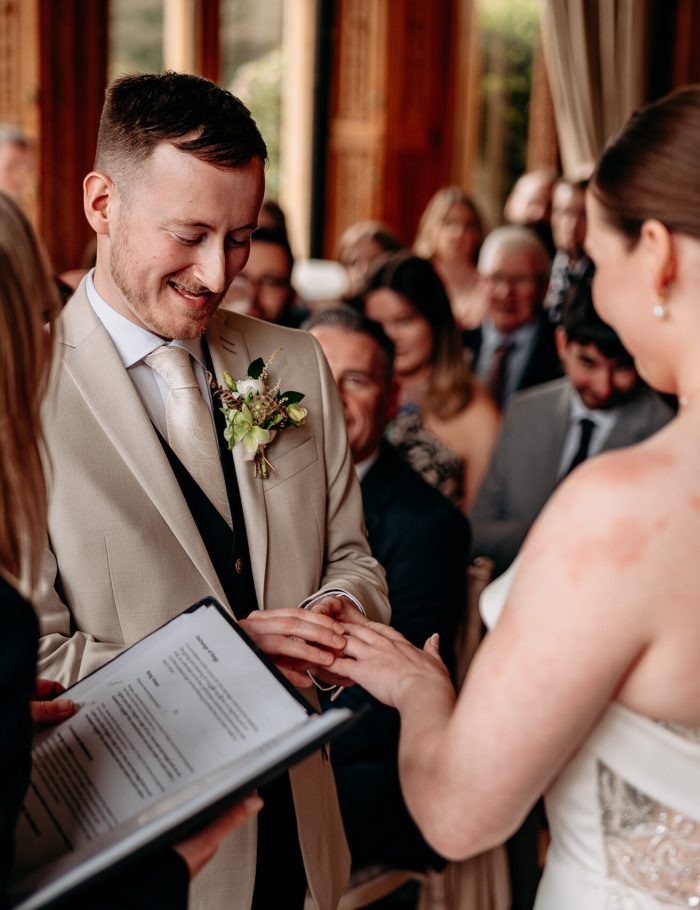
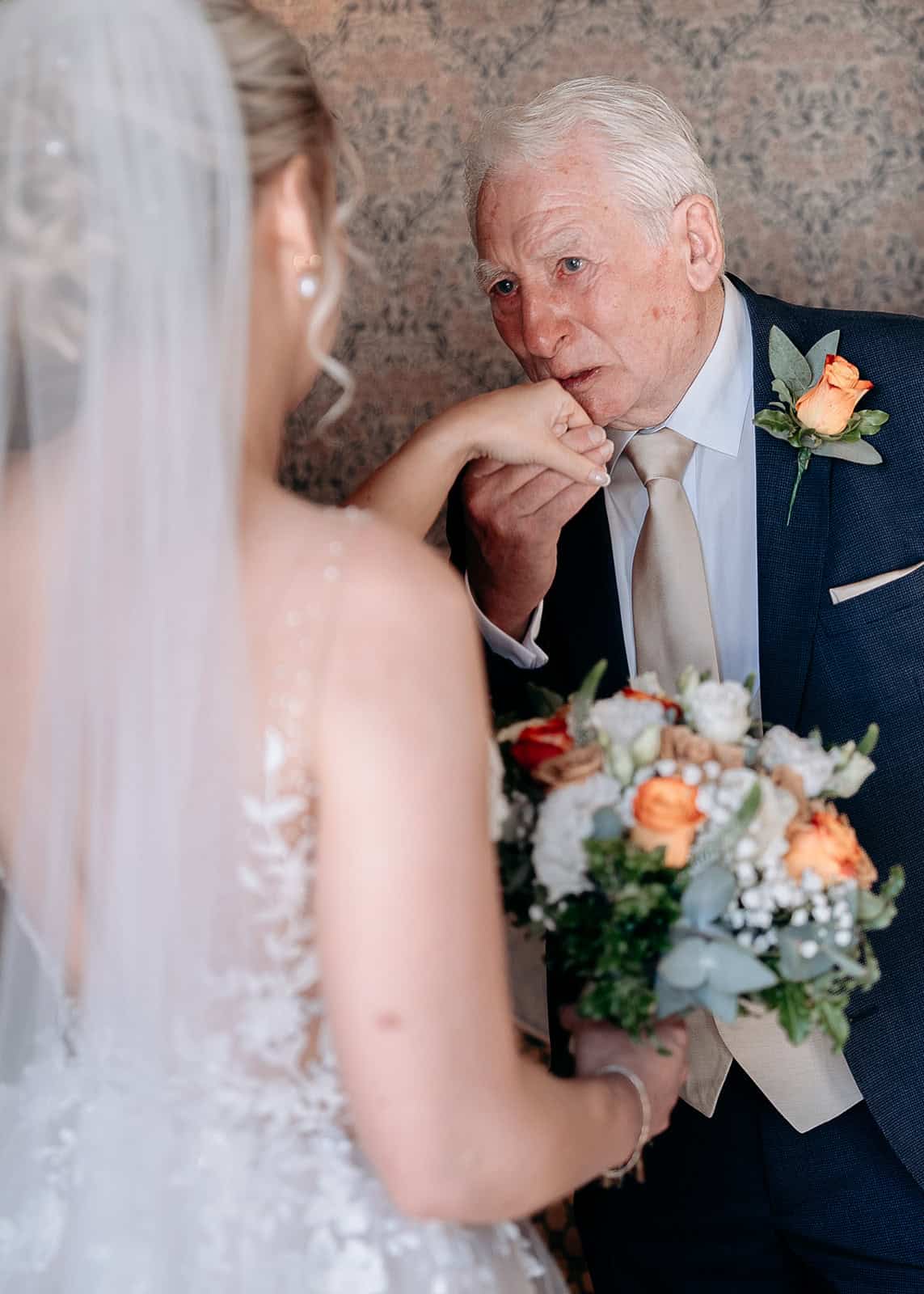
The ceremony is the emotional heart of the wedding day.
Rather than interrupting the moment, my focus is on quietly documenting the genuine reactions happening naturally.
These moments usually include:
Walking down the aisle
Emotional reactions during vows
Ring exchange
The first kiss
Guest reactions throughout the ceremony
This documentary approach ensures your images feel authentic, emotional and timeless.
Immediately After the Ceremony
Confetti, Candids & Family Photos
Once the ceremony finishes, the celebration begins.
This is often when some of the most joyful moments happen.
Typical moments include:
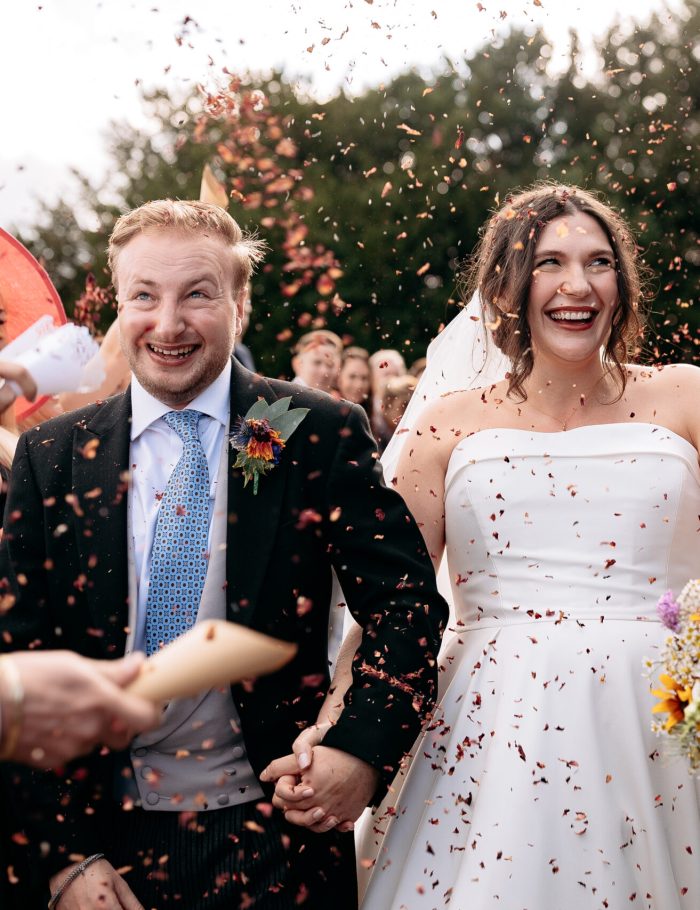
Confetti exit
Guests congratulating you
Natural hugs and reactions
Relaxed mingling
Shortly afterwards we usually move into family photographs.
I always recommend limiting group photos to around 8–10 groups so the day stays relaxed and you can quickly get back to celebrating.
Couple Portraits
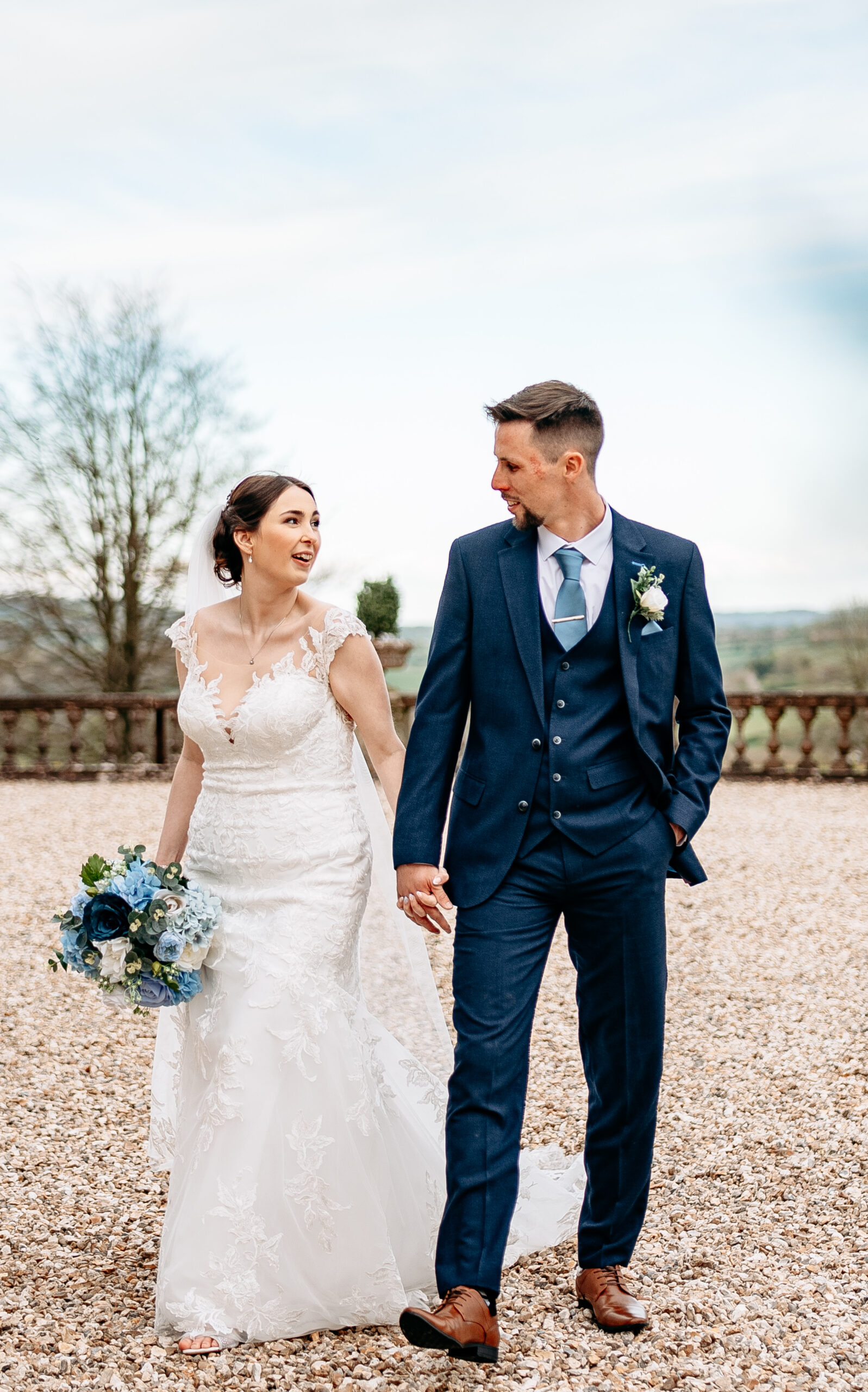
Couple portraits are usually split across two short sessions during the day.
This keeps things relaxed and means you’re never away from guests for long.
Most couples spend around 15–20 minutes for portraits.
These sessions are not about awkward posing. Instead I guide you into natural movement and genuine interactions.
If you’re worried about feeling awkward in photos, this guide may help:
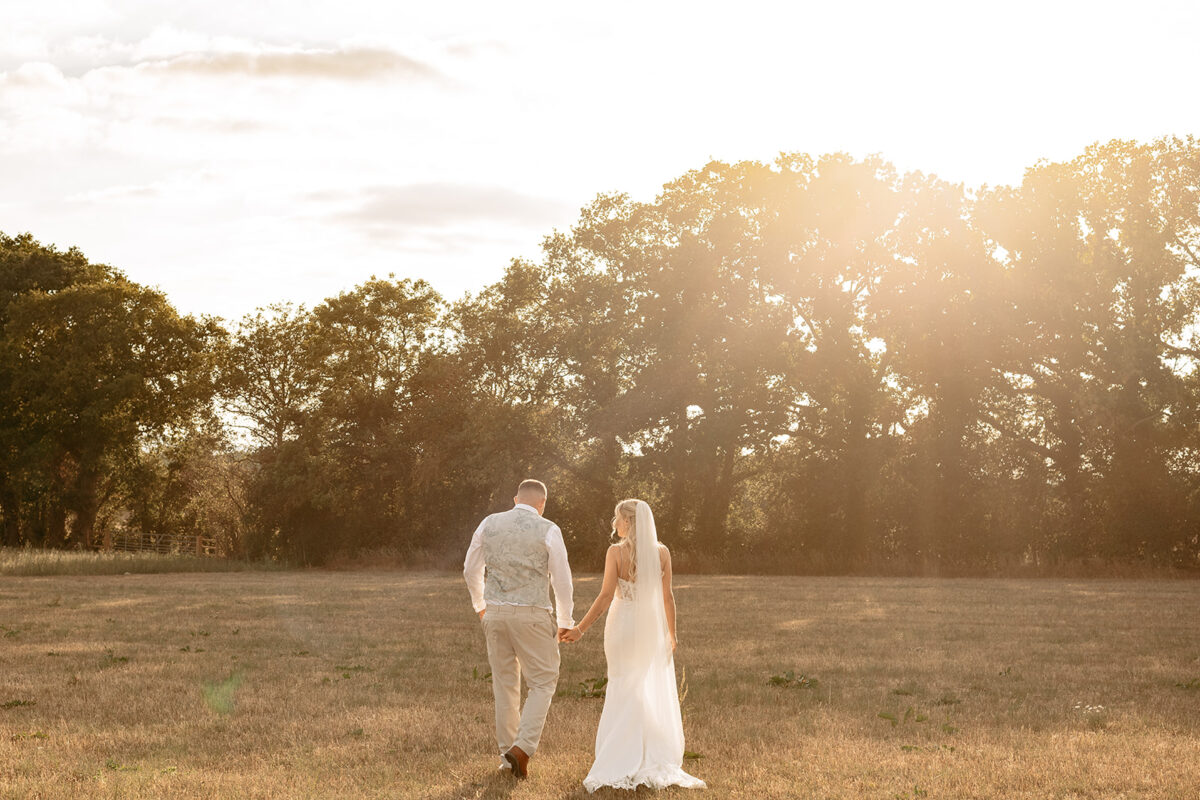
Golden Hour Portraits
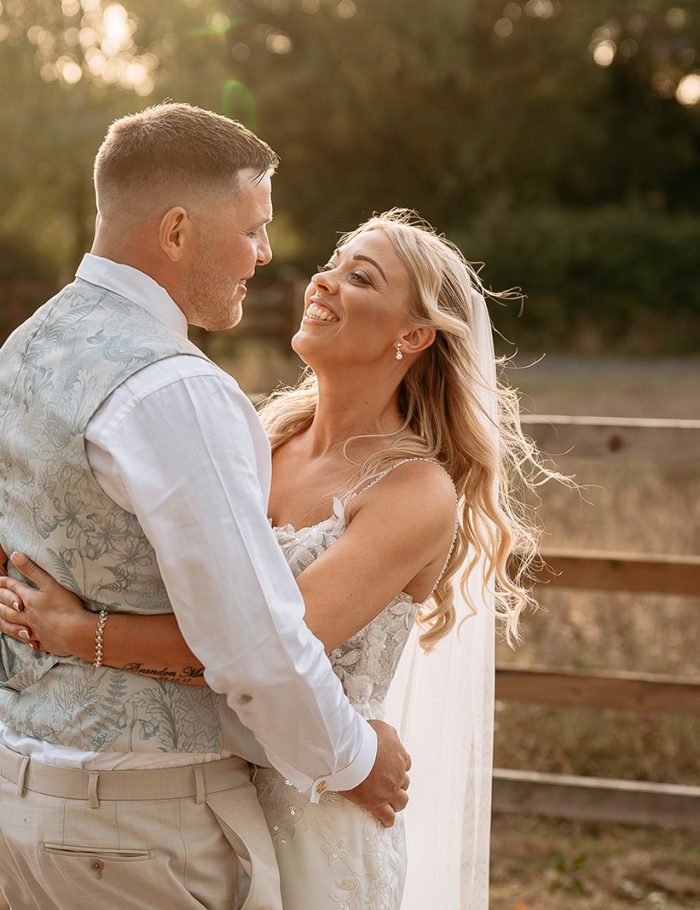
Golden hour is the soft, warm light just before sunset.
It creates some of the most flattering and romantic light of the entire day.
Stepping away for 10 minutes during golden hour often produces some of the most beautiful images in your wedding gallery.
Wedding Breakfast & Speeches
After drinks and mingling, guests are invited into the reception space for the wedding breakfast.
Speeches can happen either before or after the meal, depending on your preference.
During dinner I usually take a short break to:
Back up your photographs
Recharge equipment
Prepare for the evening celebrations
Your images are backed up throughout the day so nothing is ever at risk.
Evening Celebrations
Once the formal parts of the day finish, the energy shifts into celebration mode.
Typical evening moments include:
Cake cutting
First dance
Parent dances
Evening guests arriving
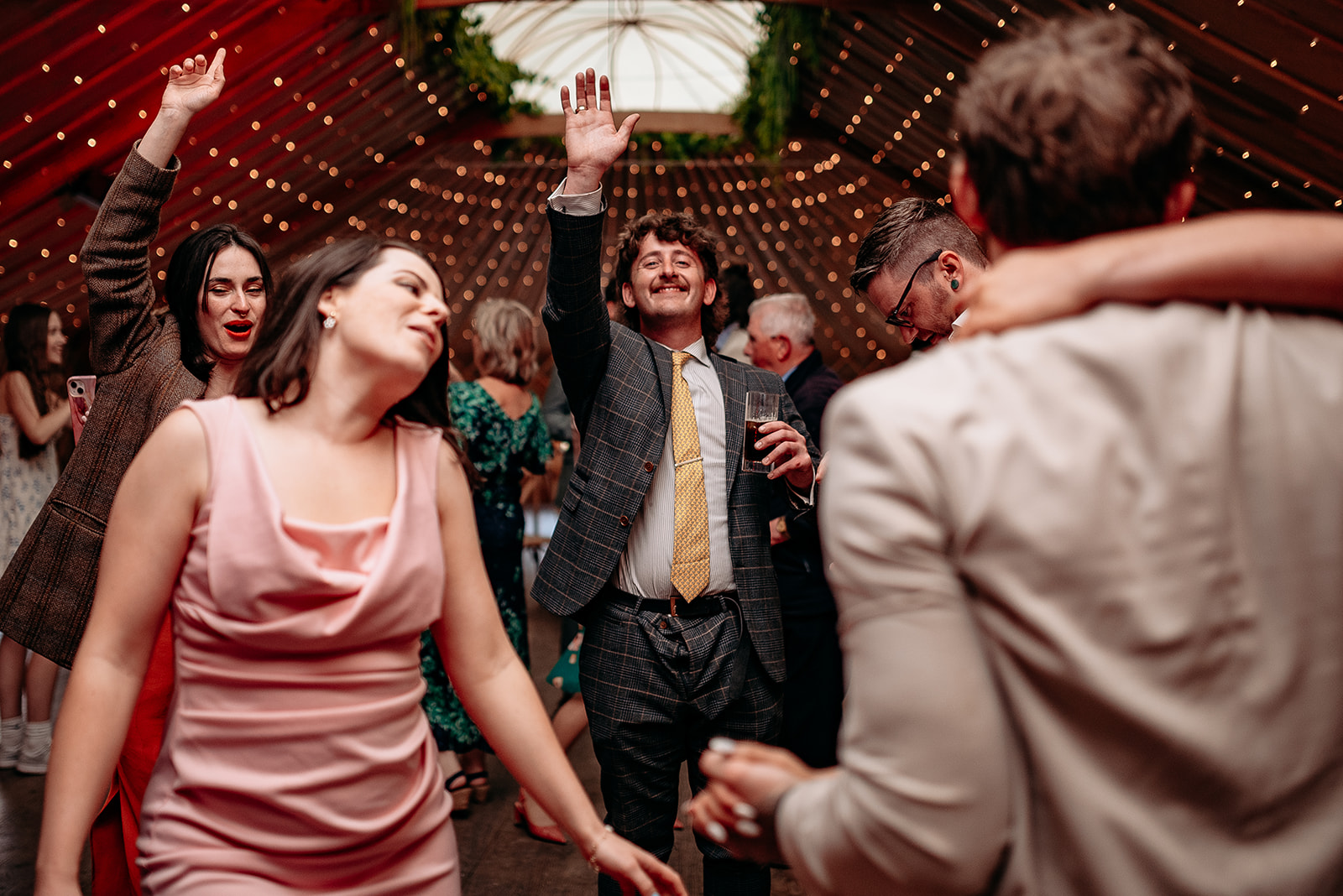
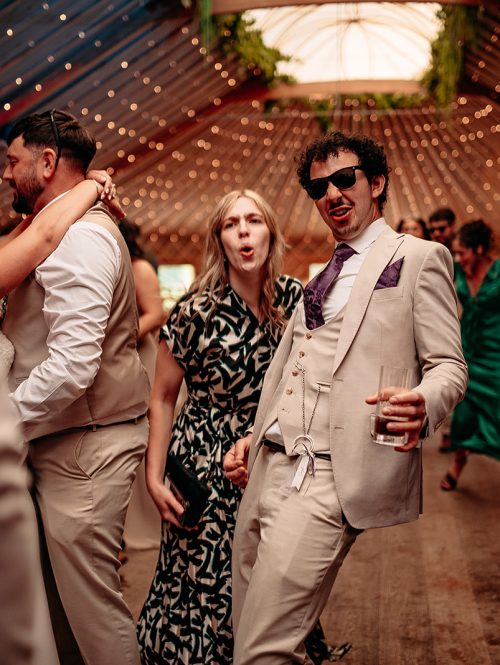
Dance floor celebrations
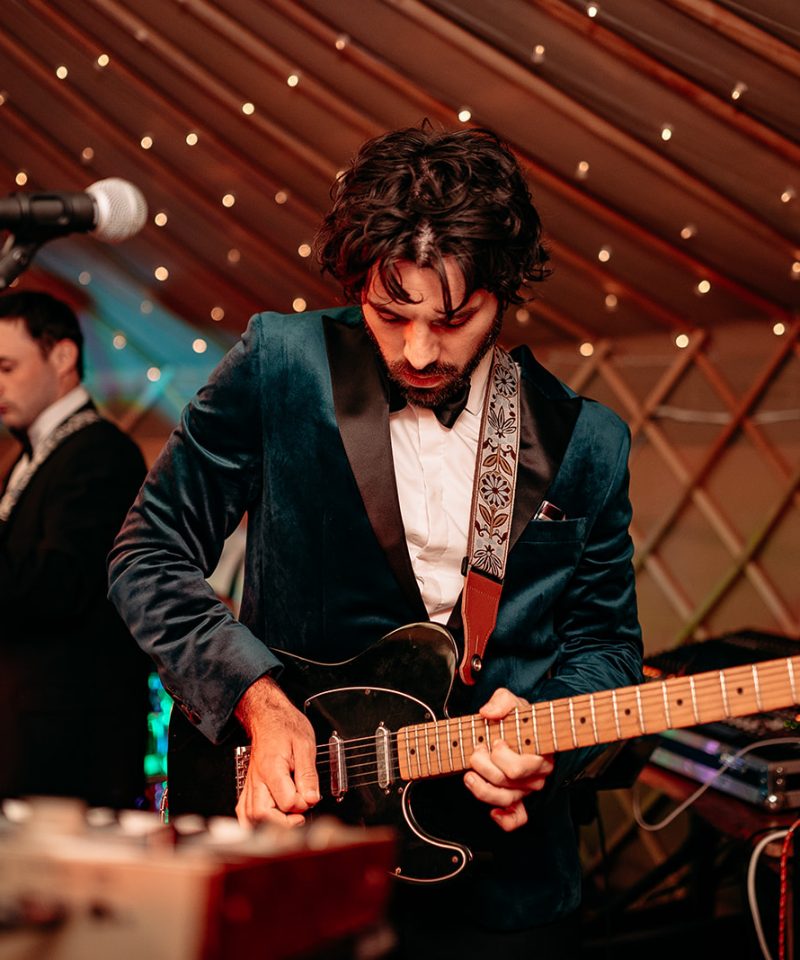
I usually stay for a short time after the first dance to capture the energy of the dance floor before quietly leaving you to enjoy the rest of the night.
Seasonal Wedding Timeline Tips
The time of year can influence how your wedding timeline works, especially when it comes to natural light.
Spring Weddings
Golden hour usually falls between 6pm and 7pm, creating beautiful soft light.
Summer Weddings
Longer days allow more flexibility and extended golden hour portraits.
Autumn Weddings
Earlier sunsets mean portraits may happen earlier in the day, but autumn colours create beautiful backdrops.
Winter Weddings
With sunset happening earlier, ceremonies often take place earlier in the afternoon to allow time for portraits before dark.
Rushing the morning preparations
Allow enough time to enjoy getting ready without feeling pressured.
Too many group photographs
Long family photo lists can quickly slow the day down.
No buffer time
Build in small gaps between events so the day never feels rushed.
Forgetting travel time
If your ceremony and reception are at different venues, travel time needs to be included in the timeline.
Tips for a Relaxed Wedding Day
Communication makes a huge difference.
Share your timeline with:
Your wedding party
Family members involved in photos
Your venue coordinator
Key suppliers
It also helps to ask a trusted friend or family member to help gather people for group photos.
Planning Your Wedding in Shropshire?
If you’re currently planning your wedding in Shropshire or the West Midlands, these guides may help with your planning:
Best Wedding Venues in Shropshire
Planning a Wedding in Shropshire
How Much Does a Wedding Photographer Cost
These resources will help you plan your day with confidence.
Wedding Photography Timeline FAQs
Most couples book 8–10 hours of wedding photography coverage. This usually allows time for getting ready in the morning, the ceremony, group photos, couple portraits, speeches, and the first dance. Having enough time ensures your wedding photography timeline feels relaxed rather than rushed.
Wedding photography typically starts 2–3 hours before the ceremony. This allows time to capture the atmosphere during preparations, detail photos of the dress and venue, and natural moments with your wedding party before the day officially begins.
Most couples only need 15–20 minutes for couple portraits. These are often split across two short sessions during the day so you are never away from your guests for too long. A second session during golden hour often creates some of the most beautiful photographs of the entire day.
Family photographs usually take 15–25 minutes depending on the number of groups. To keep the wedding photography timeline relaxed, most photographers recommend limiting the list to around 8–10 key family groupings.
The most flattering light for wedding photography is golden hour, which happens shortly before sunset. This soft, warm light creates romantic portraits without harsh shadows and often produces some of the most beautiful images of the day.
A first look is completely optional. Some couples prefer to see each other for the first time during the ceremony, while others choose a private first look earlier in the day. A first look can allow more time for couple portraits and help create a more relaxed wedding photography timeline.
Small delays are completely normal at weddings. An experienced wedding photographer will adapt and adjust the timeline if needed, ensuring the most important moments are still captured while keeping the day relaxed and enjoyable.
Yes if possible. Setting aside 10–15 minutes for golden hour portraits can make a huge difference to your wedding photos. The soft evening light creates natural, flattering images that many couples end up loving the most.
Your wedding photography timeline is the foundation for a relaxed, enjoyable day.
With the right structure in place, your wedding will feel natural and unhurried while still allowing space to capture the moments that matter most.
If you’re looking for natural documentary wedding photography that captures the real emotions of the day, I’d love to hear about your plans.